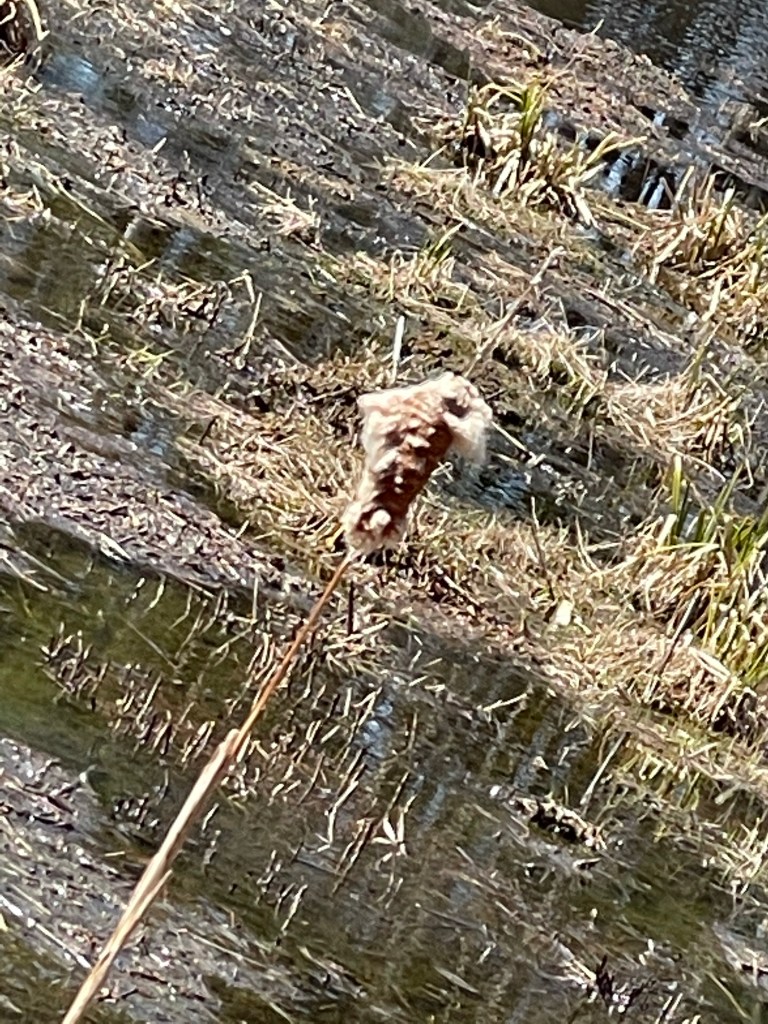
Breaking Stillness

Still there’s a slice of ice
encasing the marsh as glass;
stiff, sharp becomes a screen
protecting you from prey.
Visions of rich, dense duck weed
and brown, earthy tuffs of
marsh grass huddle
waiting for cloudless sky.
But morning chill tells
another story of early spring.

Buried deep you rest. With scent
of spring playing games of
hide and seek; you find no
aroma of wild rose only unscented
seeds from brown, barefaced
bundled of reeds and cat-tails
spinning, dancing atop silvery
layer of ice; your roof-top sky light.
Your throaty call echoes beneath;
stiff in the icy entrapment.

Yet, this is your woodland nest
here life and death linger in stiff pools
of decaying waters rich with microscopic
bacteria; so minuscule even your bulgy
protruding eyes unable to find them.
Your passion overriding all, your
mission drives you forward as your
need to seek a mate becomes all;
this is why you were created and it
consumes your very existence.

A warning, when the ice melts
cranes and geese are waiting
to have you as a tasty meal.
Sing quickly, call out rhythmic
chips, chatter and chants;
for somewhere she waits past
all still danger to dance awhile as
it has been written in the book
of “Spring Peepers Logs of Love”;
for now the image in ice is only you!

“These all wait for You, That You may give them their food in due season. What You give them they gather in; You open Your hand, they are filled with good. You hide Your face, they are troubled; You take away their breath, they die and return to their dust. You send forth Your Spirit, they are created; And You renew the face of the earth.”

Psalm 104: 27-30
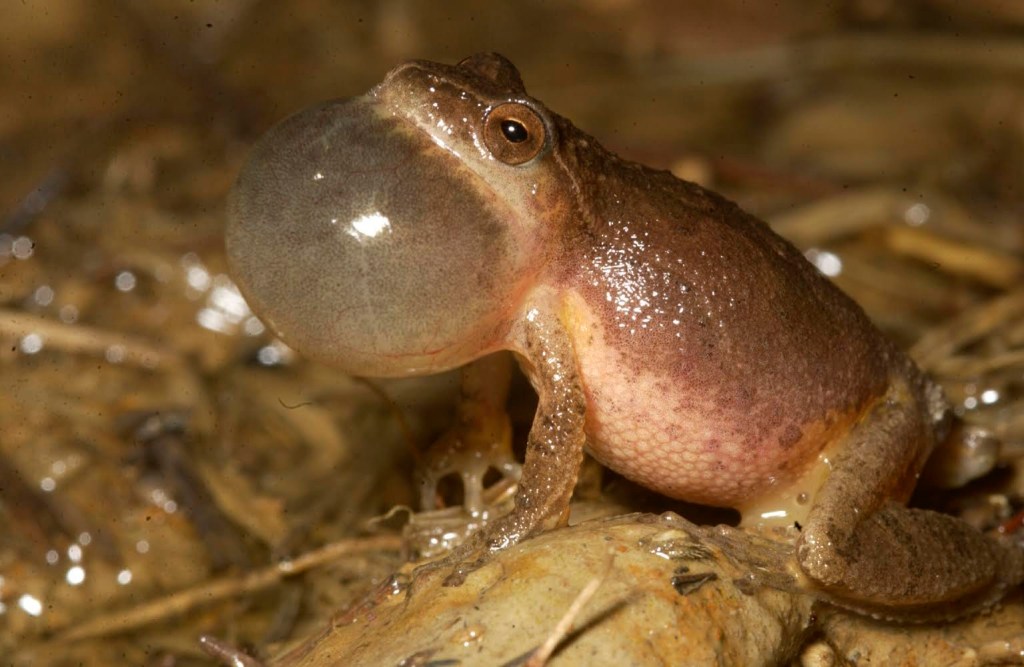
Photo credit to images online

northern cricket frog is a species of small hylid frog native to the United States and northeastern Mexico. Despite being members of the tree frog family, they are not arboreal. It has two recognized subspecies.

Wikipedia

Northern cricket frogs sometimes occur in cattail ( Typha sp.) thickets as well as in other terrestrial and/or aquatic shoreline vegetational assemblages .

https://amphibiaweb.org/species/670

Other treefrogs in the northern cricket frog’s range are the spring peeper, the western chorus frog and the gray treefrog. The spring peeper has a dark X-shaped blotch on the back. The western chorus frog has three dark continuous or broken lines down the back. The gray treefrog has a light spot with a dark border under each eye and bright orange or yellow inner thighs. The cricket frog appears to have “warts” like a toad but lacks the large parotoid glands that toads have behind each eye. The clicking call of the northern cricket frog may be difficult to distinguish from that of some marsh birds.

https://ontarionature.org/programs/citizen-science/reptile-amphibian-atlas/northern-cricket-frog/
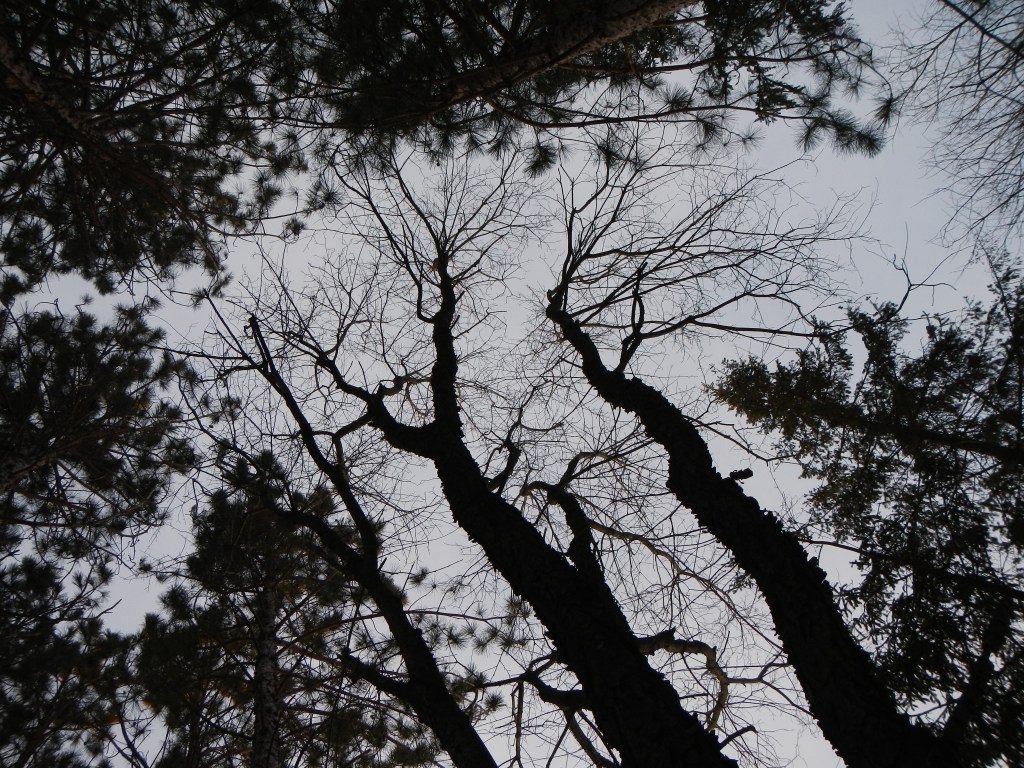
For decades I’ve looked forward to late March and spring again here in Wisconsin. First, the red winged black birds arrive with cranes and geese. Then the air is filled with a chorus of spring peepers. Their voice is a melody of a thousand vocal musicians filling the halls of my woodland. Come late April there is no pond side sitting. Their song so intense, one needs to close all windows. Yet, those early sounds bring joy to my heart. P. Wolf; poet & author
Linking to: https://earthweal.com/2021/03/29/earthweal-weekly-challenge-turning-points-chthulucene-squiggles/

One Hundred Stood

One hundred stood shading;
tall, trusting, thriving trees
till the heavens opened
their mouth like a multitude of
mottled black humpback whales;

spouting, raging upon earth.
Pounding, pounding, pounding
huge, hungry, hurtful torrents
of rain racing and running past
and though my hundred; blood 

flowing in the earth rooted vain
landscapes now lapping at once 
study, towering trunks with bark
oozing crying like a child in need 
of comfort. But there was no one

who could aid in their clamity
for disaster had done its deed.
Thick husky trunks wore water
boots which would be their last
apparel, as dragon flies frolicked

upon the surface of a newly
birthed pond where once seedling
grew and thrived in rich woodland
that canopied my sunny back yard.
Water still flows… now from my eyes.

“God is our refuge and strength, a very ready help in trouble. Therefore we will not fear, though the earth shakes and the mountains slip into the heart of the sea; Though its waters roar and foam, Though the mountains quake at its swelling pride.”

Psalm 46:1-3
It’s been over a decade since the flood affected more than one hundred trees. Water was almost knee high in a place where garden, fruit trees and play structure had occupied. Our woodland surrounded the acre of land. Within a few years tree after tree began to wither and die. Some still stand today rotting upright waited to tumble to the earth and become rich soil. Not only does man clear the earth, but nature itself seems to be in conflict.
P. Wolf, poet & author posting at: https://earthweal.com/2021/03/22/earthweal-weekly-challenge-deforestation-last-stand-at-fairy-creek/

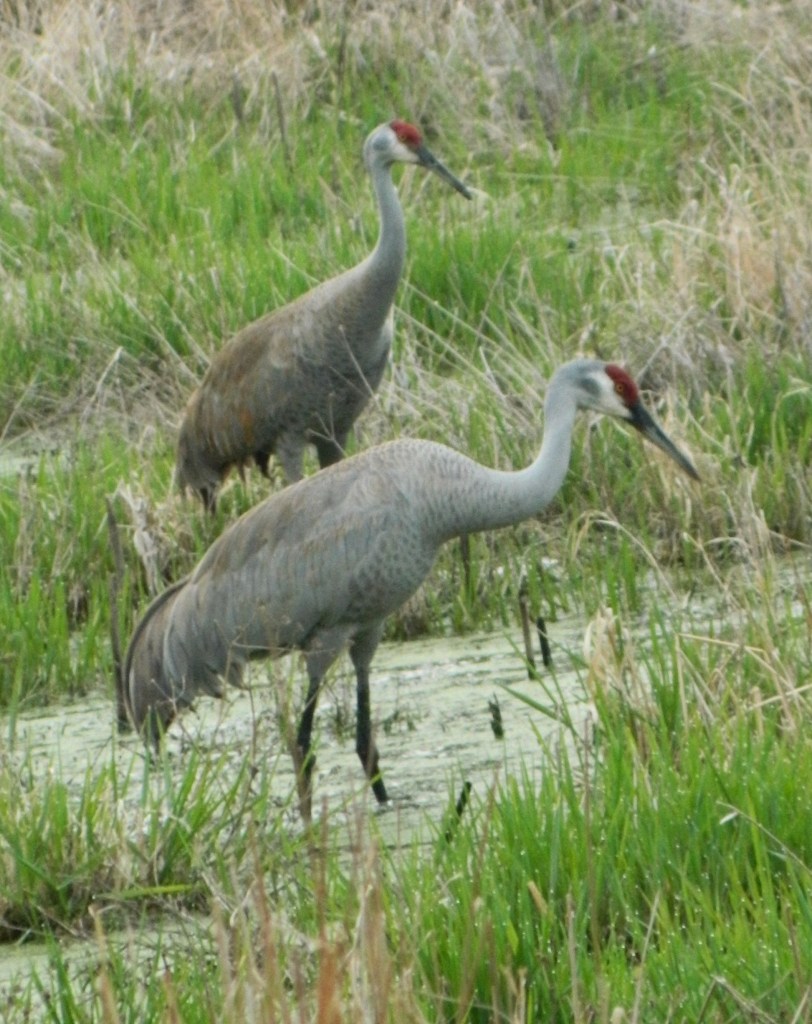
Journaling Wisconsin: Sandhill Cranes

Sandhills in My Backyard in Summer

Elegant, lengthy, lovely legs
trailing in March breeze;
outstretched Victorian neck
curved, crooked cleverly
striving for morning sun.
Warbling, warbling melody
etching news in cluttered sky,
“Sandhills Cranes with scarlet
mascara have finally arrived!”
If only they would return my
gaze when summer swelters in.

Whether stepping singly across a wet meadow or filling the sky by the hundreds and thousands, Sandhill Cranes have an elegance that draws attention. These tall, gray-bodied, crimson-capped birds breed in open wetlands, fields, and prairies across North America

allaboutbirds.org

At night, both species of cranes prefer to roost in shallow wetlands or rivers. … In wetlands, sandhill and whooping cranes eat a variety of animals, including birds (mostly nestlings and eggs), rodents, snakes, frogs (adults and tadpoles), insects, fish, snails, mussels, crayfish, and turtles.

https://www.aphis.usda.gov/wildlife

Sandhill Cranes are known for their dancing skills. Courting cranes stretch their wings, pump their heads, bow, and leap into the air in a graceful and energetic dance.

allaboutbirds.org

P.Wolf, poet & author… I actually saw this tender dance one summer afternoon as I sat on my back porch staring out on our marsh. It was stunning as is the Sandhill’s Creator who waits for all people to follow Him.

“Yea, the stork in the heaven knoweth her appointed times; and the turtle and the crane and the swallow observe the time of their coming; but my people know not the judgment of the LORD.”

Jeremiah 8:7

Dog Goodbyes

It’s been a few years now,
days, weeks, then months;
yet his stare still sojourns,
stuck in my healing heart.

What is it about memories
muddling minds; awakening
emotions buried deep then
overturning mended heart?

It was a pleasant March
surrounded by new birth;
cranes, cardinals, crows
shared the open spring skies.

What I didn’t know was death
invades at will; wearing weary
apparel even on lovely days
when birds sing in full chorus.

It was our last moments,
his eyes filled with love and
longing to remain, to be at
my side strolling spring paths;

No longer ours to share!

https://earthweal.com/2021/03/15/earthweal-weekly-challenge-the-animal-gaze/

“He heals the brokenhearted

And binds up their wounds.

He counts the number of the stars;

He calls them all by name.

Great is our Lord, and mighty in power;

His understanding is infinite.

Psalm 147:3-5
P. Wolf; poet & author… yep, I cried while writing this.

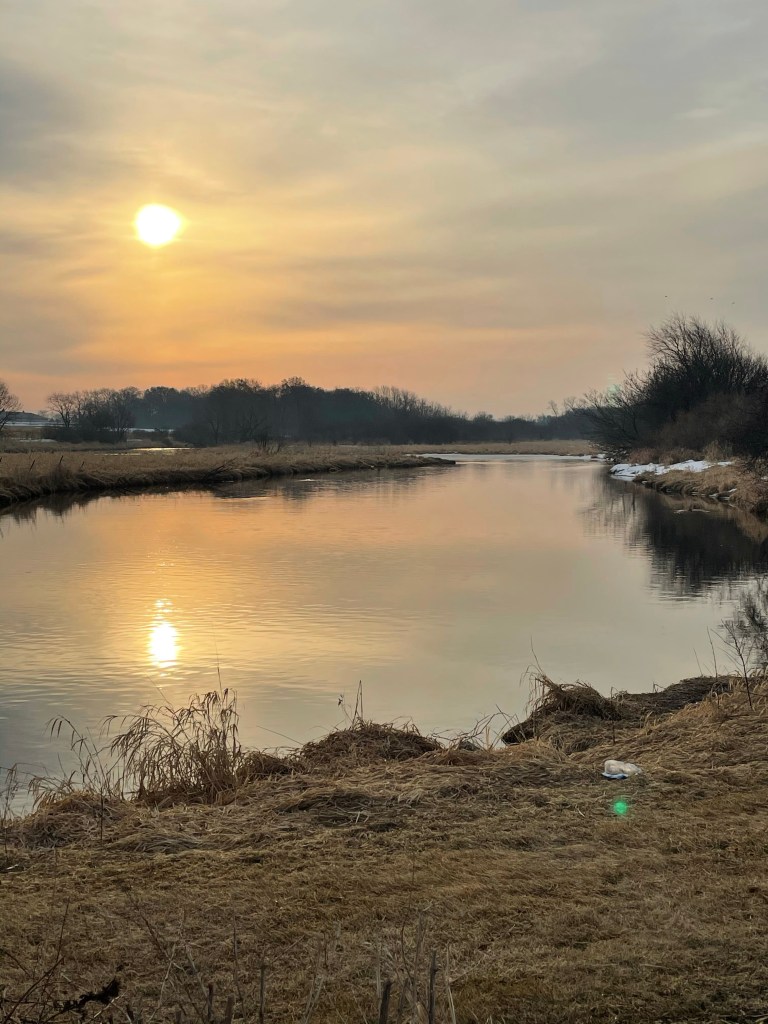
Journaling Wisconsin: At Turtle Creek

Early Morning at Turtle Creek

Turtle creek flows under a weathered bridge where an old country road meanders.
In spring crowds of geese gather noisily;
tucked atop brittle corn stubble field
sunning eastwardly on many mornings.

The Red-wings are causing a rumpus
atop pompous grasses swaying in wind;
perched too on worn fence posts aligned 
like stretched dominos, as kill-dear chatter along road trusting their nests are hidden.

Then whooping cranes soar overhead,
their methodical sounds still the other
birds, as attention is now drawn above;
to sounds once endangered yet dozens 
travel Wisconsin air roads in open skies.

Turtle Creek meanders past many mellow meadows and moraines where spring
has gathered its skirts once again-
attached on her frilly Easter bonnet
bountiful with feathers ready to nest.

The Whooping Crane is the tallest bird in North America and one of the most awe-inspiring, with its snowy white plumage, crimson cap, bugling call, and graceful courtship dance. It’s also among our rarest birds and a testament to the tenacity and creativity of conservation biologists. The species declined to around 20 birds in the 1940s but, through captive breeding, wetland management, and an innovative program that teaches young cranes how to migrate, numbers have risen to about 600 today.

allaboutbirds.org

However, with the recent Whooping Crane Eastern Partnership Reintroduction Project, whooping cranes nest naturally for the first time in 100 years in the Necedah National Wildlife Refuge in central Wisconsin, United States. They nest on the ground, usually on a raised area in a marsh.

Wikipedia.org

Moraines are accumulations of dirt and rocks that have fallen onto glacier surface or have been pushed along by the glacier as it moves. The dirt and rocks composing moraines can range in size from powdery silt to large rocks and boulders. A receding glacier can leave behind moraines that are visible long after the glacier retreats.

nsidc.org

Journaling Wisconsin’s Spring: The Woodpecker

Woodpecker beating,
beating on ragged bark;
endlessly tapping, tormenting
residents housed within.
Awaking tiny pests, rousing
insect ruffians, courier
warning of their demise.

Woodpecker beating,
beating his own drum;
forever drilling, darting
his beak in then out.
Arising strength within,
forging ahead with lust,
finding one’s inner vigor.

“My flesh and my heart fail; But God is the strength of my heart and my portion forever.

Psalm 73:26

A Thing Called a Poem

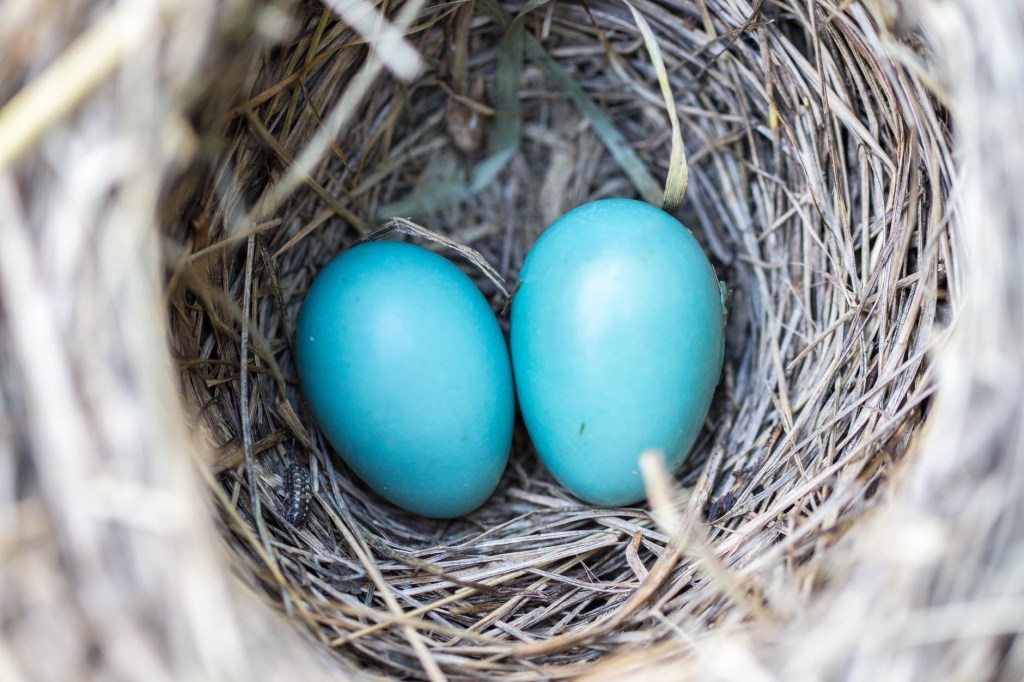
Red breasted robin returned today;
followed by a rattling, rambunctious
red-winged black bird babbling
in tall rushes, tails puffed to seed.

Skies a sapphire shade speak of spring;
while tree buds are tucked tightly away
holding their breath, waiting to reveal
their packages of cashmere blooms.

Well known is early arrival can crush
and destroy a flourishing crop of fruits;
so are a poet’s words scattered across 
an empty page waiting, waiting, waiting.

Words gathered in a nest after long,
chilled winter; thoughts, inspirations
and musings ready to sprout forth
blooming songs from the poet’s heart.

Talking about poetry today…https://earthweal.com/
P. Wolf, poet & author

Aging

Dawn no longer comes,
it is dry as hung garments.
Moon and stars vanish
leaving me dim, dreary days;
seeds of youthful faith linger.

“Remember now your Creator in the days of your youth, Before the difficult days come, and the years draw near when you say, “I have no pleasure in them”: While the sun and the light, the moon and the stars, are not darkened, and the clouds do not return after the rain;”

Ecclesiastes 12:1-2

In Japan, the tanka is well over twelve hundred years old (haiku is about three hundred years old), and has gone through many periods of change in style and content. But it has always been a poem of feelings, often involving metaphor and other figurative language (not generally used in haiku). While tanka praising nature have been written, and seem to resemble “long haiku,” most tanka deal with human relationships or the author’s situation.

tankasocietyofamerica.org

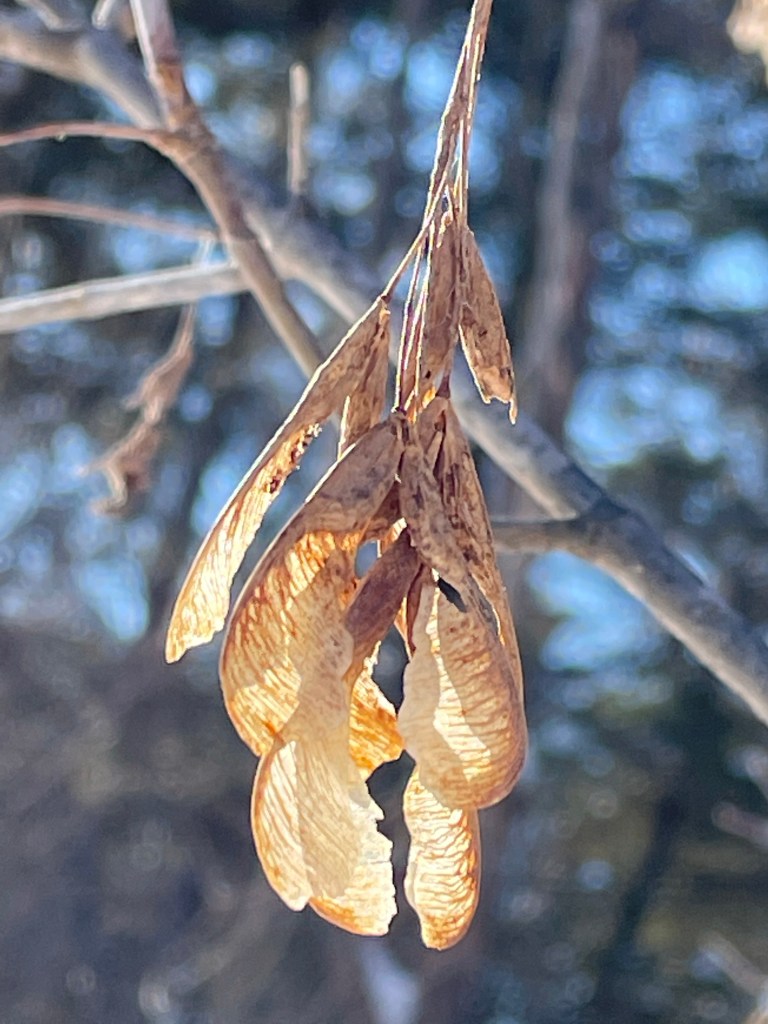
Maple tree seeds are mature in either spring to early summer or late fall, depending on the species. Plant the seeds about three-quarters of an inch (2 cm.) deep in moist peat moss and place them in a plastic bag inside the refrigerator for 60 to 90 days

hardening know how.com

Listening

We just muddle through
since some roads have no escape;
to which two eyes learn.

Hidden deep within the underbrush 
two ears and one tail steadily stares
studying its options for quick escape.

Buried deep down within the heart,
too tall a tale privately told for
learning of lessons with laughter.

Concealed deep, an earthly secret
to which we’re drawn listening and
mastering from our puzzling past.

Hidden deep within the underbrush
two ears and one tail steadily stares
studying its options for quick escape.

“ I have heard of You by the hearing of the ear, But now my eye sees You.”

Job 42:5

Scribbling my thoughts to “history has its eyes on you” over at https://poetsandstorytellersunited.blogspot.com/2021/03/weekly-scribblings-59-wait-for-it.html

A rabbit will need a thicker coat in the winter than in the summer. Also, a rabbit’s fur may change color for its protection. This is more common in wild than domestic animals, but it applies to all rabbits. It’s a natural reaction to light exposure

http://www.Rabbitscaretips.com

During the winter, rabbits take in more wood-based food sources, such as tree bark, twigs, and conifer needles. Rabbits don’t hibernate, so they dig holes or find warm, closed-in spaces, in hollow logs, rock piles, and brush piles. But they don’t just eat plants.Dec

http://www.rabbitcaretips.com

Food isn’t the only thing a rabbit has to be particularly concerned about during winter, however. The loss of vegetation density means predators can spot their prey much more easily. In order to survive, rabbits must find places where they can both eat and hide from predators.

http://www.griffinpress.com
P. Wolf, poet & author of “I am the Light” series

Beneath the Moon

Beneath the summer moon,
hidden bats fill empty street.
Flap their leathery wings, meet
the darken shadows in twilight.

Silent flight, soar without tune
as inky blackness settles land.
Silhouette of massive trees stand
crowded limbs gather in my sight;

Swooping in circles tightly hewn
by brazen bat’s erratic moves;
their signature etched grooves
in hushed moonlit summer night.

Hope is not a message strewn
by bat who rules the evening sky
or milky moon which shines on high;
it’s God who designed bat at flight!

It is He who made the summer moon,
the music, melody and nature’s tune.
With speech the earth was first hewn
and stars across the universe strewn.

God placed bat’s wings at twilight,
to gather at His will, before His sight.
He reveals hidden things of night;
and waits for men’s souls to take flight.

“He reveals the deep and hidden things; He knows what lies in darkness, and light dwells with Him.”

Daniel 2:22
It’s been a dark time around the world. Like the bat, COVID seemed to creep up on the souls of men. It has etched in our lives change. Some from loss and others in remembering the laughter of loved ones.

A year later we continue to remember… https://earthweal.com/2021/03/01/earthweal-weekly-challenge-the-unsayable/

P. Wolf, Poet & Author of Jemi’s Noble Quest